
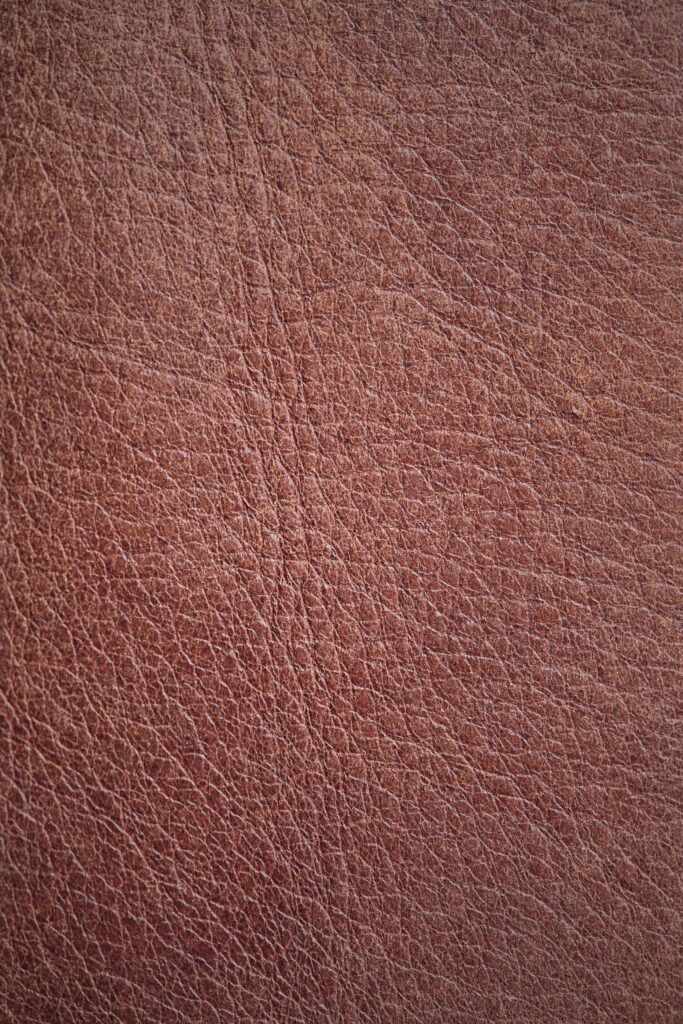
In a world where sustainability is no longer a trend but a necessity, the materials industry is rapidly evolving. In this context, vegetable-tanned leather stands out as a responsible, authentic, and durable alternative to synthetic materials.
But what truly makes it better?
What Is Vegetable-Tanned Leather?
Vegetable-tanned leather is natural hide treated using organic extracts derived from plants such as bark, leaves, and fruits. This process, known as vegetable tanning, avoids the use of harsh chemicals and respects both the environment and the health of those who produce and use it.
Unlike synthetic leather, which is primarily made from petroleum-based derivatives, vegetable-tanned leather preserves its natural essence, offering a more conscious and sustainable option.
Lower Environmental Impact
One of the greatest benefits of vegetable-tanned leather is its reduced ecological footprint:
- Plastic-free: Unlike synthetics (such as PU or PVC), it does not contribute to microplastic pollution.
- Biodegradable: Over time, it can naturally decompose without leaving toxic residues.
- Cleaner process: Vegetable tanning significantly reduces the use of polluting chemicals.
In contrast, synthetic materials require energy-intensive industrial processes and generate waste that is difficult to manage.
Durability That Reduces Consumption
While many synthetic alternatives may be more affordable in the short term, their lifespan is often limited. They tend to wear out, crack, or lose their appearance over time.
Vegetable-tanned leather, on the other hand:
- Ages beautifully (developing a unique patina)
- Can last for years or even decades
- Is repairable and reusable
This means fewer replacements, less waste, and more responsible consumption.
Aesthetic and Authenticity
Vegetable-tanned leather is not only sustainable—it’s also authentic. Each piece is unique, with natural textures and tones that evolve over time.
Synthetic materials attempt to replicate this look, but they cannot match the depth, aroma, or feel of genuine leather.
A Conscious Choice
Choosing vegetable-tanned leather means supporting:
- More traditional and artisanal processes
- Responsible production chains
- A more ethical and long-lasting form of consumption
It’s a decision that goes beyond the product—it’s a way of consuming with purpose.
The Commitment of Marfil Tannery
At Marfil Tannery, we believe that quality and sustainability go hand in hand. We are committed to vegetable-tanned leather as a solution that honors tradition, respects the environment, and delivers high-value products.
Conclusion
Vegetable-tanned leather is not just an alternative to synthetic leather—it’s a step toward more conscious consumption. Its durability, lower environmental impact, and authenticity make it a superior choice for those seeking quality without compromising the planet.