Why Is Vegetable-Tanned Leather a Sustainable Alternative to Synthetic Materials?
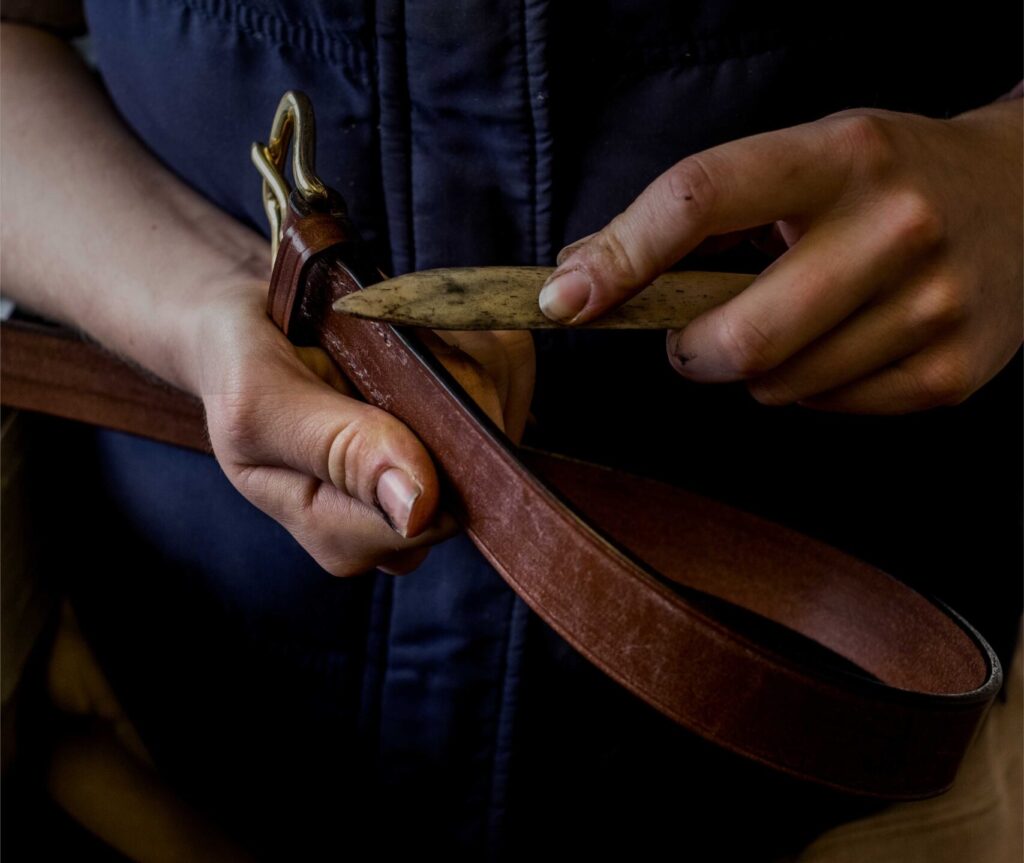
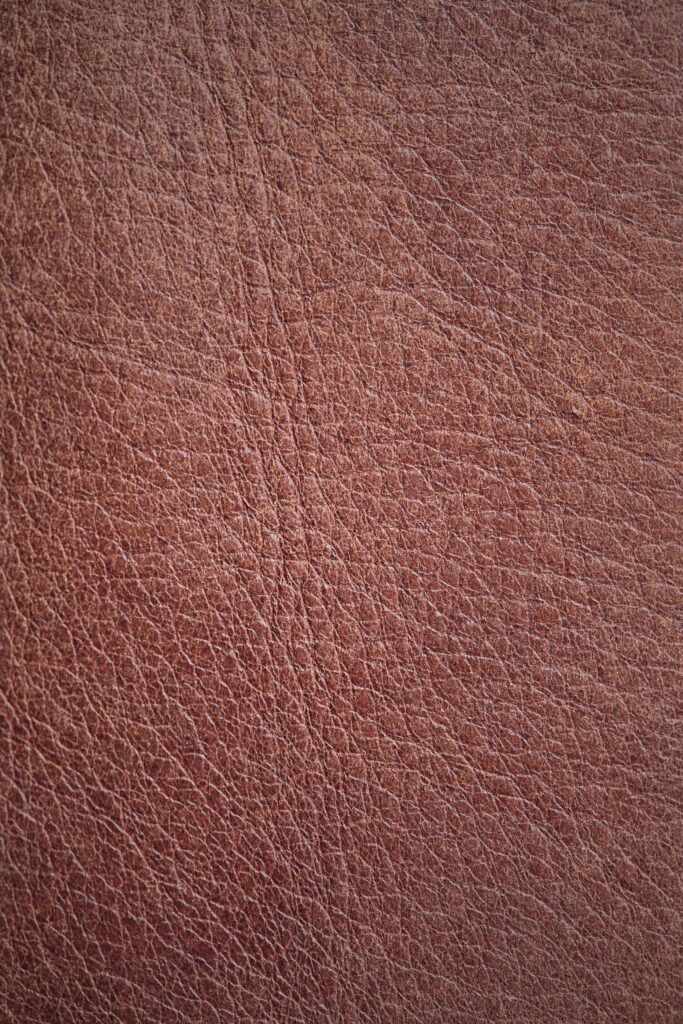
In a world where sustainability has become a priority for both consumers and brands, the choice of materials matters more than ever. In the fashion, design, and manufacturing industries, the debate between natural leather and synthetic alternatives continues to grow. However, vegetable-tanned leather stands out as one of the most responsible and durable options available today. At Marfil Tannery, we believe sustainability is not only about reducing environmental impact, but also about creating authentic, long-lasting materials through more conscious processes. What is vegetable-tanned leather? Vegetable-tanned leather is leather processed using natural tannins extracted from plants, trees, and bark such as quebracho, mimosa, or chestnut. Unlike more aggressive industrial methods, this traditional process avoids heavy chemicals while preserving the natural essence of the hide. The result is a leather with a unique appearance, warm tones, and an exceptional ability to age beautifully over time. Why is it more sustainable? 1. It uses renewable natural resources Vegetable tanning relies on natural extracts sourced from renewable materials. This reduces dependence on petroleum-based components, which are commonly used in most synthetic alternatives. While many “vegan” materials are made with polyurethane (PU) or PVC, vegetable-tanned leather works with naturally derived components that generally have a lower environmental impact during production. 2. Greater durability means less waste One of the biggest issues with synthetic materials is their short lifespan. Many tend to crack, peel, or deteriorate quickly, leading to more waste and constant replacement. Vegetable-tanned leather, on the other hand, can last for decades with proper care. Its strength and ability to develop a rich natural patina over time make each piece more valuable and unique as years go by. Choosing durable products also means consuming less and reducing waste. 3. Biodegradability and lower environmental impact Synthetic alternatives often contain plastics that can take hundreds of years to decompose. During their use, they may also release microplastics into the environment. Vegetable-tanned leather has a far more natural and biodegradable composition, especially when processed responsibly. This helps reduce environmental impact at the end of its lifecycle. 4. More artisanal and conscious processes Vegetable tanning requires time, expertise, and traditional craftsmanship. It is a slower process, but also one that is more respectful of both the material and the environment. At Marfil Tannery, we continuously work to combine tradition and innovation through responsible practices, premium materials, and processes that respect both craftsmanship and sustainability. True luxury lies in authenticity Today, luxury is no longer defined only by appearance, but also by transparency, quality, and the impact of the materials we choose. Vegetable-tanned leather represents an authentic, durable, and conscious alternative to short-lived synthetic options. Every mark, texture, and tonal change tells a unique story that evolves over time. Because sustainability should never compromise quality — it should elevate it.
Why Is Vegetable-Tanned Leather a Sustainable Alternative to Synthetic Materials? Leer más »