English blog

How to Care for Leather Products so They Last for Years

Leather is a noble, durable, and elegant material that, with proper care, can last for decades—and even improve over time. At Marfil Tannery, we believe every leather piece tells a story, and proper care is key to preserving its beauty and functionality. 1. Regular cleaning: the essential first step Dust, dirt, and moisture can damage leather if not properly removed. It is recommended to clean your products regularly with a soft, dry cloth. For deeper cleaning, use a slightly damp cloth or specialized leather care products. 2. Conditioning: maintaining flexibility Leather is a natural material that can dry out over time. Applying leather conditioners or creams helps maintain softness, prevent cracks, and extend its lifespan. This should be done periodically depending on usage. 3. Avoid prolonged sun exposure Direct sunlight can fade leather and dry it out. Store your leather items in cool, shaded places to preserve their original color and texture. 4. Protect from moisture and water Although some leather types have resistance, excess water can cause damage. If your product gets wet, allow it to dry naturally and avoid artificial heat sources like dryers or radiators. 5. Proper storage Correct storage helps maintain shape and structure. Use breathable fabric covers instead of plastic bags, and fill bags or shoes to prevent deformation. 6. Conscious use: the key to longevity Daily use naturally creates wear, but also adds character. Rotating products and avoiding overloading will help preserve their structure and appearance. Conclusion Caring for leather is not just maintenance—it’s about respecting a high-quality material. With proper care, each piece can last for years, developing a unique patina that reflects its journey. At Marfil Tannery, we believe true luxury lies in durability.

How to Care for Leather Products so They Last for Years Leer más »

Is Leather Still Relevant in 2026?

In a world where innovation moves fast and synthetic materials continue to grow, an important question arises: is leather still relevant in 2026? The answer is not only yes—it has been redefined. More Than a Material: A Statement of Value Leather has gone beyond functionality to become a symbol of authenticity, durability, and tradition. In an era driven by disposable products, leather stands for the opposite: items that age with character, tell stories, and last over time. Today’s consumers are looking for meaning. They prioritize quality over quantity—and this is where leather continues to stand out. Sustainability: The New Standard One of leather’s biggest challenges has been its environmental perception. However, the industry has evolved. Processes such as vegetable tanning, responsible resource use, and technological innovation are reshaping leather into a more conscious choice. Leather can be biodegradable and, when responsibly produced, part of a more sustainable cycle. Craftsmanship + Technology: The Perfect Balance In 2026, leather doesn’t compete with technology—it integrates with it. Modern tanneries combine traditional craftsmanship with advanced tools to ensure quality, consistency, and efficiency. This balance allows the creation of premium products that preserve their heritage while meeting modern market demands. Redefining Luxury The concept of luxury has shifted. It’s no longer just about exclusivity, but also about purpose, origin, and process. Leather fits perfectly into this new definition—especially when it comes from transparent and well-crafted production methods. A leather product is no longer just an accessory—it’s an investment. Conclusion: Leather Doesn’t Fade, It Evolves Far from becoming obsolete, leather has adapted to the changing demands of the market. Its relevance in 2026 lies in its ability to evolve without losing its essence. At Marfil Tannery, we believe the future of leather is built on tradition, innovation, and responsibility. Because what truly matters never goes out of style.

Is Leather Still Relevant in 2026? Leer más »

The Value of Time in Vegetable Tanning: Why Slower is Better

In a world where almost everything is produced quickly and in large volumes, vegetable-tanned leather represents something different: patience, tradition, and quality. Instead of speeding up the process with intensive chemicals, vegetable tanning respects the natural rhythm of the material. And that is exactly where its real value lies. A process that requires patience Vegetable tanning is one of the oldest methods used to transform hides into leather. It uses natural tannins from plants, bark, and wood, allowing the material to change slowly and naturally. Unlike industrial methods that may take only hours or a few days, vegetable tanning can take several weeks or even months. During this time, the leather gradually absorbs the tannins, strengthening its structure and developing unique characteristics. This slower process is not a disadvantage. It is an investment in quality. A material that improves with time One of the greatest qualities of vegetable-tanned leather is that it evolves with use. Over time, it develops a natural patina, a change in color and texture that reflects the story of the object and the person who uses it. Every piece ages differently, which means no two products are exactly the same. This transformation turns leather into a material that feels alive and becomes more beautiful with time. Durability that justifies the wait The time invested in the tanning process also results in greater strength and durability. Vegetable tanning produces leather that is firm, resistant, and capable of maintaining its shape through years of use. For this reason, it is highly valued by brands and artisans who look for reliable materials for products meant to last, such as bags, belts, accessories, and premium leather goods. Choosing vegetable-tanned leather means choosing products that are not made to be replaced quickly, but to accompany people for many years. The value of doing things right Today, many brands are rethinking how they produce and choose their materials. Speed does not always mean better. More and more projects are looking for responsible processes, transparency, and materials with a story behind them. Vegetable tanning reflects exactly that philosophy: respecting the time required to create an authentic material. A conscious choice for brands and creators For designers, brands, and manufacturers, choosing vegetable-tanned leather is not just about selecting a material. It means choosing quality, tradition, and a process that values time as an essential part of the final result. In a market full of fast products, what is made with patience stands out. Because when time is part of the process, the result speaks for itself. Discover the beauty of leather that improves with time. Partner with Marfil Tannery and create products designed to last. Click Here

The Value of Time in Vegetable Tanning: Why Slower is Better Leer más »

How to Choose Sustainable Leather for Your Brand or Project

In today’s design and manufacturing world, sustainability is no longer just a trend — it has become a responsibility. Brands, designers, and manufacturers are increasingly looking for materials that align with their environmental values while still delivering quality, durability, and beauty. When it comes to leather, choosing a sustainable option can make a significant difference. But how do you know if the leather you are choosing is truly sustainable? Here are some key aspects to consider when selecting leather for your brand or project. 1. Understand the Tanning Process One of the most important factors that determines how sustainable leather is lies in the tanning process. Many industrial tanning methods rely on heavy chemicals that can have a large environmental impact. Vegetable tanning, on the other hand, uses natural tannins extracted from plants, bark, and trees. This traditional method reduces the use of harsh chemicals and allows the leather to age naturally, developing character and depth over time. Choosing leather produced through vegetable tanning supports a more natural and responsible production process. 2. Prioritize Durability and Longevity A sustainable material is not only about how it is made — it is also about how long it lasts. High-quality leather can last for decades if properly cared for. Products made from durable leather reduce the need for constant replacement, which ultimately reduces waste and overconsumption. When selecting leather, consider its thickness, strength, and ability to age beautifully over time. 3. Look for Transparency from Suppliers Sustainability also comes from transparency. Reliable tanneries and suppliers are open about their processes, sourcing, and production practices. Ask questions such as: Working with transparent suppliers helps brands make informed and responsible decisions. 4. Consider the Material’s Life Cycle A sustainable material should have a responsible life cycle. Leather that is produced with natural processes and high-quality craftsmanship can remain in use for many years and age gracefully instead of quickly deteriorating. Designing products meant to last longer helps reduce environmental impact and promotes a more conscious approach to manufacturing. 5. Choose Materials That Tell a Story Consumers today value authenticity. Materials that show natural characteristics, texture, and aging create products with personality and uniqueness. Vegetable-tanned leather evolves over time, developing a rich patina that reflects the life of the product. This transformation makes each piece unique and adds long-term value to the final product. Sustainability as a Design Choice Choosing sustainable leather is not only about environmental responsibility — it is also about quality, longevity, and craftsmanship. For brands and designers who value materials that age beautifully and stand the test of time, vegetable-tanned leather offers a meaningful alternative that connects tradition with modern design. At Marfil Tannery, we believe that materials should evolve with the products they become part of — creating pieces that tell a story over time. Discover how sustainable materials can elevate your designs. Explore our vegetable-tanned leather collections and start creating products that age beautifully over time. Click Here

How to Choose Sustainable Leather for Your Brand or Project Leer más »

Why Does Vegetable-Tanned Leather Age Better?

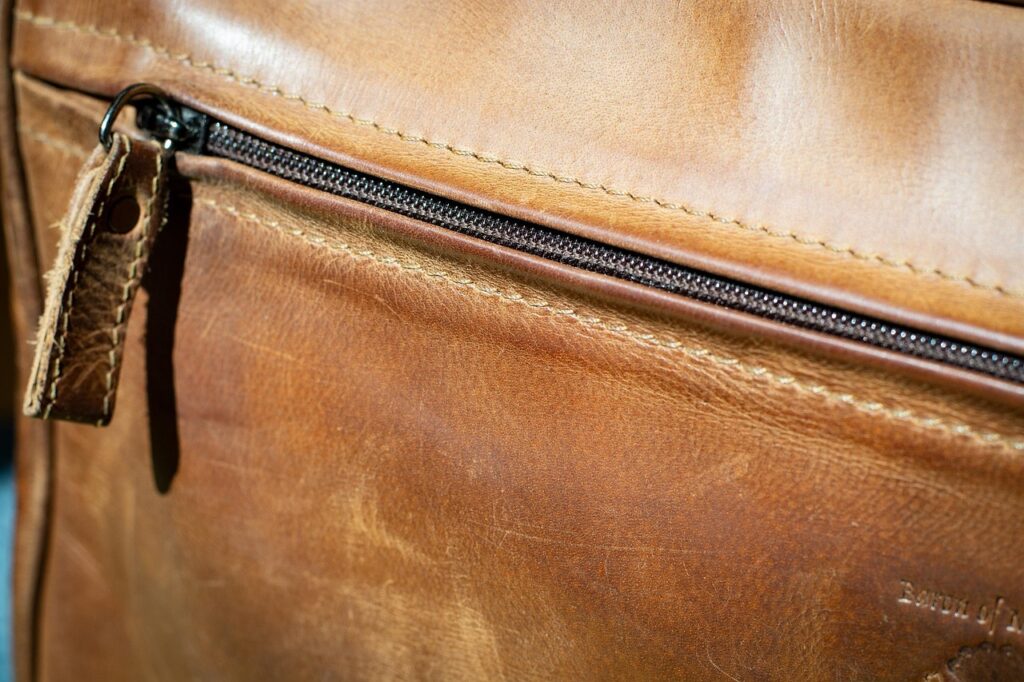
The Beauty of Natural Patina In a world driven by immediacy, there are materials that prove time is not an enemy, but an ally. 100% vegetable-tanned leather is one of them. Its greatest virtue lies not only in its natural origin or responsible process, but in the way it evolves over the years—gaining character, depth, and a unique beauty known as natural patina. What Does It Mean for Leather to “Age Well”? Unlike synthetic materials or leathers treated with aggressive chemicals, vegetable-tanned leather does not deteriorate with everyday use. On the contrary, it transforms. Every touch, every mark, and every experience leaves its imprint, creating a living surface that tells an authentic story. Aging well means: The Role of Vegetable Tanning The secret lies in the process. Vegetable tanning uses natural tannins extracted from plants, bark, and wood that slowly penetrate the hide. This traditional method respects the leather’s natural structure, allowing it to breathe and respond organically to its environment. Thanks to this process: Patina: The Mark of Time Patina is the result of the interaction between leather and daily life. Sunlight, skin contact, natural oils, and constant use create subtle variations in color and sheen that cannot be artificially replicated. Each patina is unique because it: It is not a flaw—it is value. It is proof of authenticity. A Luxury That Improves With Age At Marfil Tannery, we believe true luxury is not perfection, but genuineness. Vegetable-tanned leather represents a philosophy where durability, aesthetics, and environmental responsibility coexist in balance. Investing in vegetable-tanned leather means choosing: Time as Part of the Design Every hide we craft at Marfil Tannery is meant to evolve. We trust time to do its work—because when a material is authentic from its origin, the passing years only confirm its value. Vegetable-tanned leather does not age.It tells stories.And every patina is a testament to a life well lived.

Why Does Vegetable-Tanned Leather Age Better? Leer más »

The Art of Vegetable Tanning: Tradition and Sustainability

Vegetable tanning is one of the oldest and most environmentally respectful techniques in the leather industry. Unlike other processes that rely on harsh chemicals, this method uses natural plant extracts—such as quebracho—to transform hides into high-quality, durable, and long-lasting leather. At Marfil Tannery, we believe that preserving this tradition is more than a craft; it is a commitment to sustainability and to future generations. What Is Vegetable Tanning? Vegetable tanning involves immersing hides in solutions rich in vegetable tannins. These natural compounds are found in various woods and barks and give the leather unique characteristics: Each piece of vegetable-tanned leather has its own personality, as the artisanal process is never exactly the same—making it a material with soul and history. Benefits of Sustainable Leather Choosing vegetable-tanned sustainable leather means investing in a more responsible future for the planet. Its main benefits include: 🌱 Environmental respect: made using natural-origin materials, reducing ecological impact.♻️ Durability: long-lasting leather helps prevent overconsumption and waste.🌍 Biodegradability: at the end of its life cycle, this leather leaves a smaller environmental footprint.✨ Authentic beauty: with use, it develops a unique patina that enhances its aesthetic value. Tradition and Innovation at Marfil Tannery At Marfil Tannery, we combine the artisanal knowledge of vegetable tanning with innovative technologies that optimize processes and reduce water and energy consumption. This balance allows us to offer our clients high-quality, sustainable leather while meeting international standards and responding to the growing industry demand for responsible materials. For us, every piece of leather is the result of a balance between tradition, innovation, and environmental commitment. Vegetable tanning is much more than a technique—it is a philosophy of respect for nature and for the history of leather. At Marfil Tannery, we work every day to ensure our clients receive a product that not only meets their quality expectations, but also reflects values of sustainability and environmental responsibility. Discover how sustainable leather can transform your projects. Contact us and let’s work together with materials that make a difference. Click Here

The Art of Vegetable Tanning: Tradition and Sustainability Leer más »

What Is Vegetable Tanning and Why Is It More Sustainable?

In a world where sustainability is no longer optional but essential, vegetable tanning stands out as one of the most responsible and environmentally respectful leather-making processes. At Marfil Tannery, this technique is not only part of our production method, but also the foundation of our philosophy. What Is Vegetable Tanning? Vegetable tanning is a traditional process that transforms raw hides into leather using natural tannins extracted from plant-based sources such as tree bark, wood, leaves, and fruits. Unlike conventional industrial methods, vegetable tanning does not rely on chromium salts or harsh synthetic chemicals. The result is a breathable, durable leather with a distinctive appearance that evolves over time, developing a natural patina that tells its own story. A Slower, More Conscious Process Vegetable tanning requires time, patience, and artisanal expertise. While it is slower than conventional tanning methods, this pace allows the leather to interact naturally with plant tannins, reducing environmental impact and enhancing the final quality of the material. Each hide is treated with respect for its natural characteristics, avoiding accelerated processes that compromise its integrity. Why Is Vegetable Tanning More Sustainable? Vegetable tanning is considered more sustainable for several key reasons: In addition, its artisanal nature supports more ethical labor practices and fosters a deeper connection between the maker and the material. The Value of Vegetable-Tanned Leather in Design and Fashion Vegetable-tanned leather is highly valued by brands and designers seeking authenticity, traceability, and environmental responsibility. Its texture, natural aroma, and ability to age beautifully make it ideal for high-quality products such as bags, footwear, belts, and leather goods. Beyond aesthetics, choosing vegetable-tanned leather is a statement of values: respect for nature, for craftsmanship, and for the future of design. Our Commitment at Marfil Tannery At Marfil Tannery, we believe that true quality comes from the balance between tradition, innovation, and environmental responsibility. That is why we are committed to 100% vegetable tanning, carefully overseeing every stage of the process to deliver leather that is authentic, conscious, and purposeful. Every hide we produce reflects our respect for nature and our dedication to brands seeking materials aligned with a more sustainable future.

What Is Vegetable Tanning and Why Is It More Sustainable? Leer más »