
English blog

Why Does Vegetable-Tanned Leather Age Better?

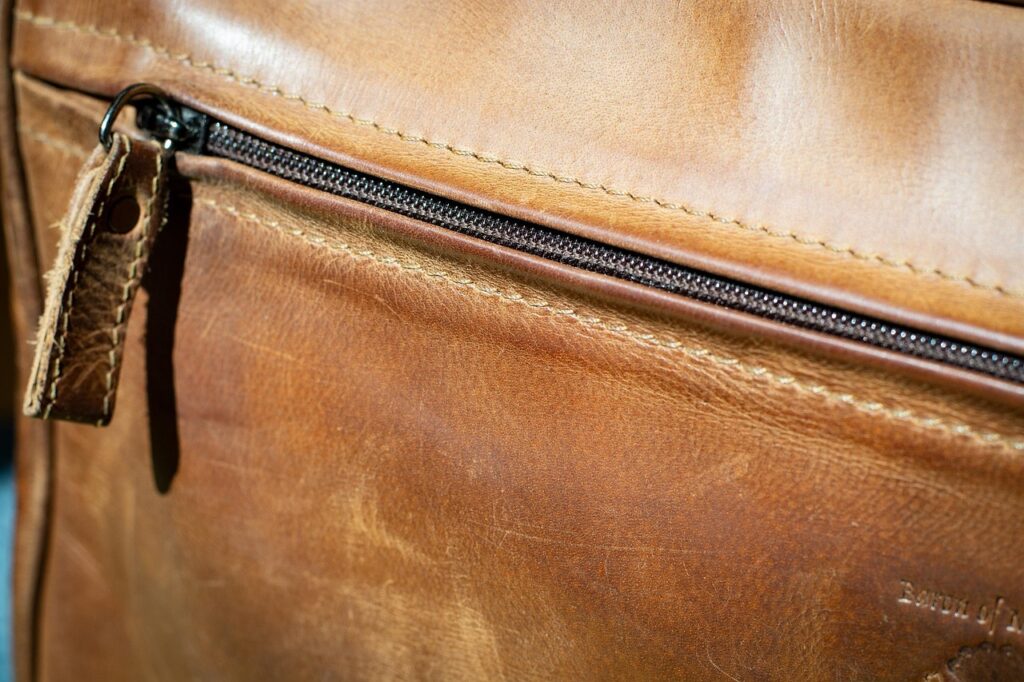
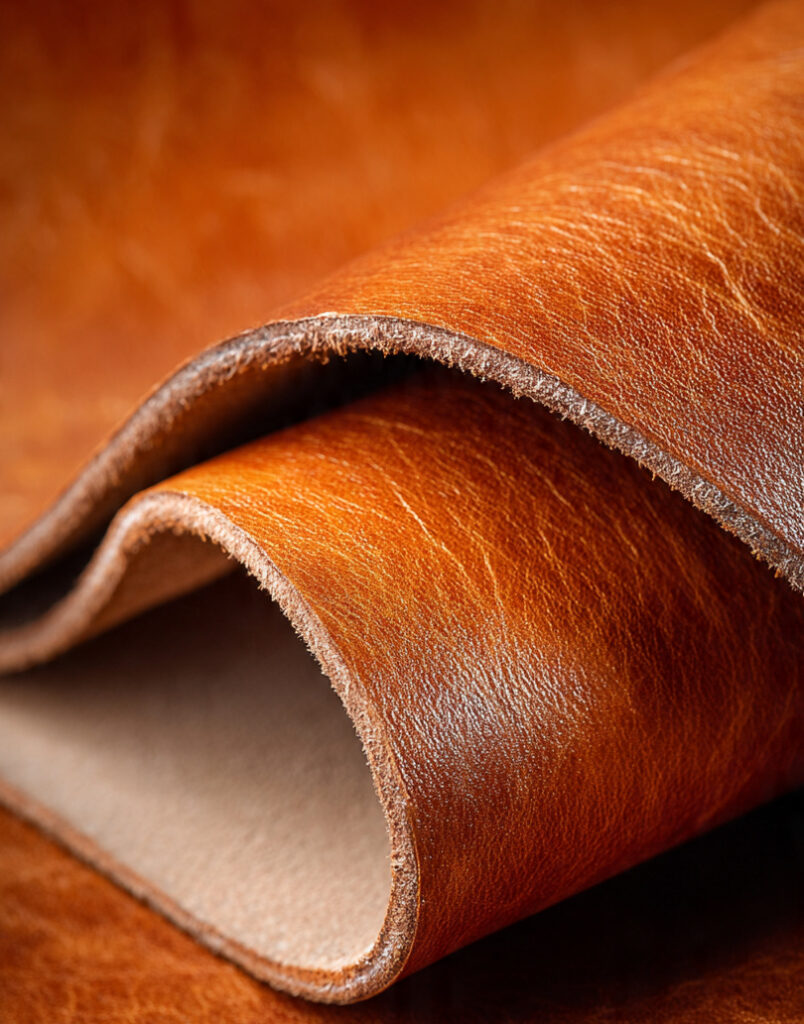
The Beauty of Natural Patina In a world driven by immediacy, there are materials that prove time is not an enemy, but an ally. 100% vegetable-tanned leather is one of them. Its greatest virtue lies not only in its natural origin or responsible process, but in the way it evolves over the years—gaining character, depth, and a unique beauty known as natural patina. What Does It Mean for Leather to “Age Well”? Unlike synthetic materials or leathers treated with aggressive chemicals, vegetable-tanned leather does not deteriorate with everyday use. On the contrary, it transforms. Every touch, every mark, and every experience leaves its imprint, creating a living surface that tells an authentic story. Aging well means: The Role of Vegetable Tanning The secret lies in the process. Vegetable tanning uses natural tannins extracted from plants, bark, and wood that slowly penetrate the hide. This traditional method respects the leather’s natural structure, allowing it to breathe and respond organically to its environment. Thanks to this process: Patina: The Mark of Time Patina is the result of the interaction between leather and daily life. Sunlight, skin contact, natural oils, and constant use create subtle variations in color and sheen that cannot be artificially replicated. Each patina is unique because it: It is not a flaw—it is value. It is proof of authenticity. A Luxury That Improves With Age At Marfil Tannery, we believe true luxury is not perfection, but genuineness. Vegetable-tanned leather represents a philosophy where durability, aesthetics, and environmental responsibility coexist in balance. Investing in vegetable-tanned leather means choosing: Time as Part of the Design Every hide we craft at Marfil Tannery is meant to evolve. We trust time to do its work—because when a material is authentic from its origin, the passing years only confirm its value. Vegetable-tanned leather does not age.It tells stories.And every patina is a testament to a life well lived.
Why Does Vegetable-Tanned Leather Age Better? Read More »

The Art of Vegetable Tanning: Tradition and Sustainability

Vegetable tanning is one of the oldest and most environmentally respectful techniques in the leather industry. Unlike other processes that rely on harsh chemicals, this method uses natural plant extracts—such as quebracho—to transform hides into high-quality, durable, and long-lasting leather. At Marfil Tannery, we believe that preserving this tradition is more than a craft; it is a commitment to sustainability and to future generations. What Is Vegetable Tanning? Vegetable tanning involves immersing hides in solutions rich in vegetable tannins. These natural compounds are found in various woods and barks and give the leather unique characteristics: Each piece of vegetable-tanned leather has its own personality, as the artisanal process is never exactly the same—making it a material with soul and history. Benefits of Sustainable Leather Choosing vegetable-tanned sustainable leather means investing in a more responsible future for the planet. Its main benefits include: 🌱 Environmental respect: made using natural-origin materials, reducing ecological impact.♻️ Durability: long-lasting leather helps prevent overconsumption and waste.🌍 Biodegradability: at the end of its life cycle, this leather leaves a smaller environmental footprint.✨ Authentic beauty: with use, it develops a unique patina that enhances its aesthetic value. Tradition and Innovation at Marfil Tannery At Marfil Tannery, we combine the artisanal knowledge of vegetable tanning with innovative technologies that optimize processes and reduce water and energy consumption. This balance allows us to offer our clients high-quality, sustainable leather while meeting international standards and responding to the growing industry demand for responsible materials. For us, every piece of leather is the result of a balance between tradition, innovation, and environmental commitment. Vegetable tanning is much more than a technique—it is a philosophy of respect for nature and for the history of leather. At Marfil Tannery, we work every day to ensure our clients receive a product that not only meets their quality expectations, but also reflects values of sustainability and environmental responsibility. Discover how sustainable leather can transform your projects. Contact us and let’s work together with materials that make a difference. Click Here

The Art of Vegetable Tanning: Tradition and Sustainability Read More »

What Is Vegetable Tanning and Why Is It More Sustainable?

In a world where sustainability is no longer optional but essential, vegetable tanning stands out as one of the most responsible and environmentally respectful leather-making processes. At Marfil Tannery, this technique is not only part of our production method, but also the foundation of our philosophy. What Is Vegetable Tanning? Vegetable tanning is a traditional process that transforms raw hides into leather using natural tannins extracted from plant-based sources such as tree bark, wood, leaves, and fruits. Unlike conventional industrial methods, vegetable tanning does not rely on chromium salts or harsh synthetic chemicals. The result is a breathable, durable leather with a distinctive appearance that evolves over time, developing a natural patina that tells its own story. A Slower, More Conscious Process Vegetable tanning requires time, patience, and artisanal expertise. While it is slower than conventional tanning methods, this pace allows the leather to interact naturally with plant tannins, reducing environmental impact and enhancing the final quality of the material. Each hide is treated with respect for its natural characteristics, avoiding accelerated processes that compromise its integrity. Why Is Vegetable Tanning More Sustainable? Vegetable tanning is considered more sustainable for several key reasons: In addition, its artisanal nature supports more ethical labor practices and fosters a deeper connection between the maker and the material. The Value of Vegetable-Tanned Leather in Design and Fashion Vegetable-tanned leather is highly valued by brands and designers seeking authenticity, traceability, and environmental responsibility. Its texture, natural aroma, and ability to age beautifully make it ideal for high-quality products such as bags, footwear, belts, and leather goods. Beyond aesthetics, choosing vegetable-tanned leather is a statement of values: respect for nature, for craftsmanship, and for the future of design. Our Commitment at Marfil Tannery At Marfil Tannery, we believe that true quality comes from the balance between tradition, innovation, and environmental responsibility. That is why we are committed to 100% vegetable tanning, carefully overseeing every stage of the process to deliver leather that is authentic, conscious, and purposeful. Every hide we produce reflects our respect for nature and our dedication to brands seeking materials aligned with a more sustainable future.

What Is Vegetable Tanning and Why Is It More Sustainable? Read More »