English blog

León and Leather: A Story of Industry, Talent and Tradition

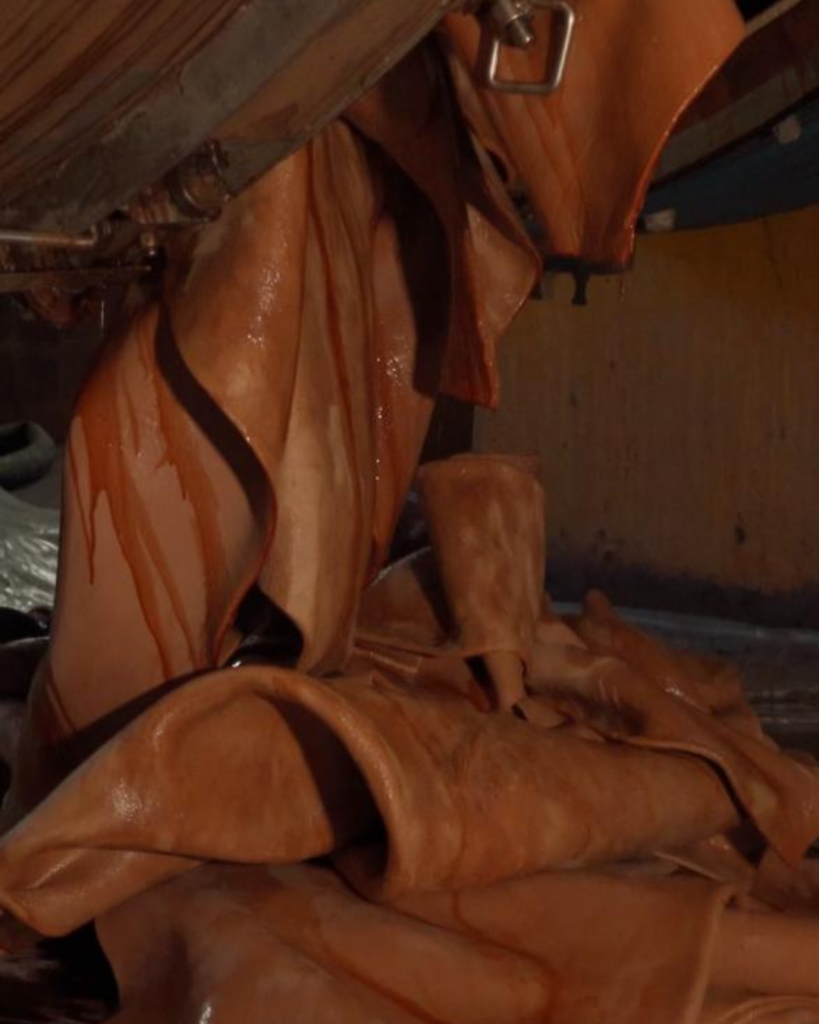
León, Guanajuato, cannot be understood without leather. For generations, this material has been part of the city’s industrial identity, supporting jobs, businesses and knowledge passed from one generation to the next. But behind every piece of leather lies a much broader story: the story of a city that transformed a craft into an industry, of thousands of people who perfected techniques over time, and of a tradition that has learned to evolve without losing its essence. From Traditional Crafts to a Recognized Industry León’s relationship with leatherworking dates back to the early centuries of the city’s development. The availability of water and the region’s livestock activity favored the growth of activities related to leather processing. Over time, workshops dedicated to tanning and leather goods became an important part of León’s economic landscape. What began as small-scale artisanal trades gradually developed into a much broader and more complex production chain. The growth of the leather industry was also closely connected to another activity that would become one of León’s most recognizable industries: shoemaking. Local tanneries provided manufacturers with different types of leather for producing shoes, belts, bags, gloves and other leather goods. This helped establish a relationship that continues today: tanning and leather manufacturing grew together. The Talent Behind Leather Talking about León’s leather industry means talking about much more than machinery, processes and facilities. It means talking about people. Tanners, leather selectors, operators, craftsmen, designers, manufacturers and specialists have built knowledge over decades that cannot be learned solely from a manual. Working with leather requires understanding its behavior, recognizing its natural characteristics and knowing how it responds to different processes. Experience allows specialists to identify details that may go unnoticed when looking only at the finished product: variations in grain, differences in texture, natural marks or the way a hide may react during tanning. That knowledge is part of León’s industrial heritage. And this is precisely where one of the industry’s greatest strengths lies: the combination of traditional knowledge and the ability to adapt. An Industry That Learned to Evolve The leather industry has changed considerably over time. Today’s markets demand greater consistency, new finishes, more efficient processes and stronger environmental responsibility. Brands and consumers are also increasingly interested in knowing where the materials they use come from. This means that tradition alone is no longer enough. The real challenge is preserving knowledge passed down through generations while incorporating new technologies and better practices. In León, this evolution can be seen in the modernization of production processes, resource optimization systems, wastewater treatment, renewable energy and new approaches to using resources more efficiently. Innovation does not necessarily mean abandoning what has been done for decades. In many cases, it means finding better ways to do it. Leather and the Circular Economy There is an important conversation surrounding the leather industry: where does leather come from? In a large part of global leather production, the hides used by the industry are a by-product of the meat industry. In other words, animals are generally not raised exclusively for their hides. Using this material allows it to re-enter a production chain and be transformed into a long-lasting product. When leather is used to manufacture products that can accompany people for years—such as footwear, belts, bags and accessories—the useful life of the material can be significantly extended. That is why discussing responsible production requires going beyond simply calling a product “natural” or “sustainable.” We need to consider where the material comes from, how it is processed, what resources are used, how waste is managed and how long the final product can remain in use. León: A Tradition Looking Toward the Future Today, León is internationally recognized for its footwear industry and for the broader production ecosystem connected to leather. The importance of this industry is not measured only through economic figures. It can also be found in the knowledge it preserves, the jobs it creates, the family businesses passed from one generation to another, and the identity built around this craft. For companies such as Marfil Tannery, being part of this history represents a responsibility: continuing to develop leather using knowledge accumulated over decades while responding to today’s challenges and expectations. Tradition becomes truly meaningful when it can evolve. The Value of Doing Things with Knowledge In a time when many industries are focused on producing faster and faster, leather reminds us that certain materials require time, experience and attention to detail. Every hide has its own characteristics. Its texture, structure and behavior can vary, and that natural character is precisely part of what makes leather unique. A tannery’s role is to transform this raw material into a functional, durable material suitable for different applications. In 100% vegetable-tanned leather, for example, plant-derived tannins are used to stabilize the hide and give it distinctive characteristics in appearance, feel and aging. The result is not simply a material. It is the combination of raw material, knowledge, time, technique and experience. More Than an Industry: An Identity The story of León and leather is, ultimately, a story about people. It is the story of those who began working in small workshops, those who learned a trade from their families, those who introduced new technologies and those who continue searching for better ways to produce. It is also the story of a city that built an industrial identity around a material. So, when we look at a finished leather product, it is worth remembering that there is much more behind it than a surface. There is a chain of knowledge. There is work. There is tradition. And there is an industry that continues to evolve. Marfil Tannery: Part of a Tradition That Continues With more than 40 years of experience, at Marfil Tannery we understand that being part of León’s leather industry means looking back to learn while also looking forward to innovate. Our commitment to 100% vegetable-tanned leather, continuous process improvement and the pursuit of more responsible practices are part of a vision in which tradition and

León and Leather: A Story of Industry, Talent and Tradition Read More »

What Does It Really Mean to Produce Responsibly?

In a world where consumers and brands are becoming increasingly aware of the impact of their decisions, talking about responsible production has become more important than ever. However, producing responsibly goes far beyond using a word like “sustainable” or implementing a single isolated action. True responsibility is present in every decision: from the selection of raw materials to the use of resources, production processes, waste management, and the commitment to the people who are part of the value chain. Responsibility Starts at the Source Every product has a story. Behind every material, there is a process that requires resources, knowledge, energy, and human work. Producing responsibly means understanding where materials come from and finding ways to use them as efficiently as possible. In the leather industry, for example, leather comes from a raw material that can be utilized and transformed into a durable, versatile, and high-quality material. The real value lies in giving this raw material a new purpose through processes designed to enhance its performance, quality, and longevity. Caring for Resources Is Part of the Process Responsible production also means recognizing that natural resources are limited. Water, energy, and raw materials must be used consciously and efficiently. For this reason, companies face the challenge of continuously investing in processes, technology, and infrastructure that help reduce waste and optimize the use of resources. At Marfil Tannery, we believe that responsibility should be part of the process—not an additional action. That is why we continuously work toward more efficient and conscious production practices, including responsible water treatment and management, as well as the use of technologies that help optimize our processes. Quality and Durability Are Also Part of Responsibility Producing responsibly is not only about how a product is made, but also about how long it can last. A high-quality, durable material can help reduce the need for frequent replacement. That is why creating materials designed to last is also part of a more conscious approach to consumption. Vegetable-tanned leather stands out for its ability to evolve over time. Each piece develops character, acquires a unique appearance, and can remain part of a product for many years when properly cared for. For us, producing quality means thinking beyond the present. Innovation with Purpose Technology and innovation play a fundamental role in building more responsible processes. Innovation does not always mean changing everything; it can also mean improving what already exists. In an industry where experience and craftsmanship are essential, innovation makes it possible to find new ways to optimize processes, make better use of resources, and respond to the evolving needs of the market. Responsibility requires a long-term vision: observing, measuring, improving, and continuously evolving. People Are Also Part of Responsibility Behind every process, there are people. For this reason, truly responsible production must also consider the knowledge, experience, and work of those who make each product possible. Combining tradition, expertise, and innovation allows us to preserve knowledge developed over time while building processes that are prepared for the future. Responsibility is not only about what we produce, but also about how we produce it and the impact our decisions have on the world around us. Producing Responsibly Is an Ongoing Commitment There is no single action that automatically makes a company responsible. It is a process of continuous improvement that requires commitment, investment, and a clear vision for the future. It means constantly questioning our processes and looking for opportunities to do things better. At Marfil Tannery, we understand that responsibility is built every day. It is part of the way we work, our experience, and our vision for the future. Because producing responsibly does not mean being perfect. It means being committed to continuous improvement, innovation, and making conscious decisions at every stage of the process. Responsibility is not just about what we do. It is about how we choose to build the future.

What Does It Really Mean to Produce Responsibly? Read More »

Why Is Every Piece of Leather Different?

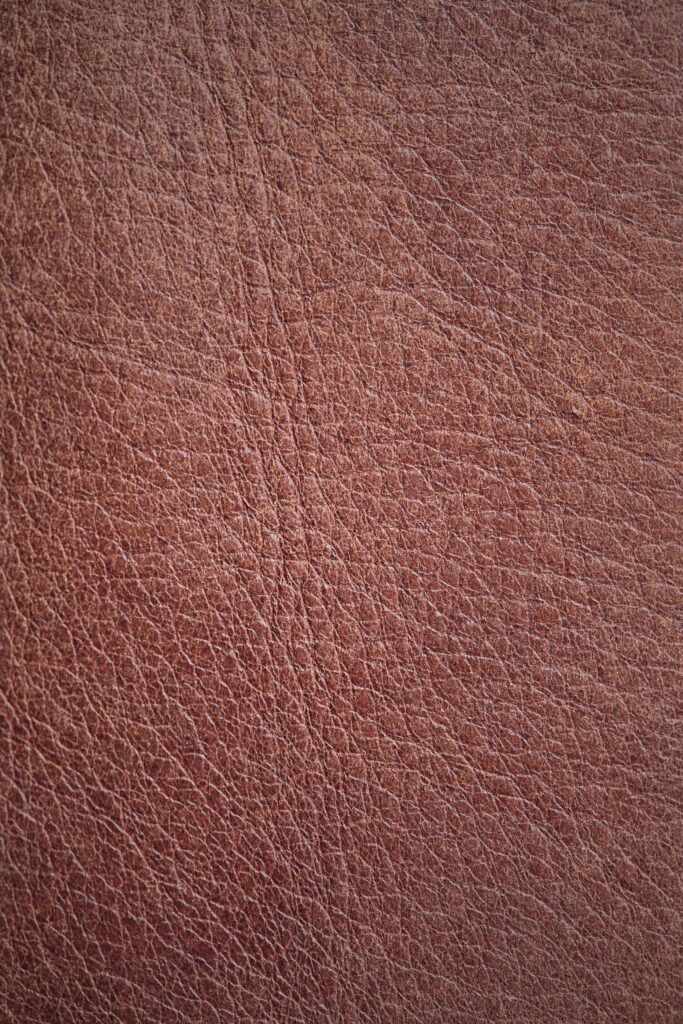
The Beauty of Natural Variations in Texture, Tone, and Character In a world where production constantly seeks uniformity, leather reminds us that true beauty can also be found in what makes every piece different. Two pieces may come from the same process, have a similar color, and be intended for the same type of product. However, when observed closely, subtle variations in texture, tone, grain, or appearance can be found. This is not a flaw—it is part of the natural character and authenticity of the material. At Marfil Tannery, we believe that these differences are precisely what give each piece of leather its unique character. A Material That Preserves Its Own Identity Leather is a natural material, and for that reason, no two pieces are exactly alike. Each one has particular characteristics that may be reflected in its surface, grain, and color distribution. These variations may include: These characteristics give every piece its own distinctive appearance. The pursuit of a completely identical and artificially uniform surface can sometimes remove what makes leather truly special: its authenticity. Texture Tells a Story When touching a piece of leather, the experience goes far beyond appearance. Texture can convey firmness, softness, naturalness, and personality. In some areas, the grain may be more pronounced, while in others, the surface may feel smoother. These differences not only add visual richness but also allow designers and manufacturers to select the most suitable characteristics for each application. For example, certain areas of leather offer properties that are especially valued for their strength and structure, while others may be selected for projects where appearance, flexibility, or specific design requirements are essential. Color Also Evolves One of the most interesting characteristics of vegetable-tanned leather is its ability to develop variations and changes over time. Exposure to light, everyday use, and interaction with its environment can gradually influence its appearance. Over time, the material may develop deeper tones and a patina that allows each product to evolve in its own unique way. This means that a wallet, belt, bag, or any other leather product can develop its own identity. Two pieces made from the same leather may begin looking similar, but over the years, they can tell completely different stories. At Marfil Tannery, we understand this evolution as part of the value of vegetable-tanned leather: a material that does not remain static but develops character through time and use. Imperfection as a Symbol of Authenticity We live surrounded by products designed to look exactly the same. That is why encountering a material that preserves subtle differences can be especially valuable. A variation in tone, a distinctive texture, or a natural mark can transform an ordinary piece into something truly one of a kind. With leather, perfection does not always mean uniformity. Sometimes, it means respecting the essence of the material and recognizing that its value lies precisely in what cannot be replicated identically. Every piece has its own personality. Designing with the Material’s Characteristics For designers, artisans, and brands, understanding these variations also represents a creative opportunity. Instead of trying to hide every difference, they can be integrated into the design and become part of the product’s identity. A distinctive texture can become the focal point of an accessory. A variation in tone can add visual depth. A unique grain can give a piece a character that is impossible to replicate. Designing with leather often means working alongside the material. It is not simply about imposing a shape, but about observing its characteristics and discovering how to make the most of them. The Value of Choosing Something Unique Industrial production has made it possible to manufacture thousands of similar products. However, there is something special about knowing that the material used in a design has unique characteristics. Vegetable-tanned leather offers precisely that opportunity: the possibility of creating products with identity. Each piece can have its own distinctive nuances from the beginning and can continue to evolve over time. This ability to change, age, and develop character is part of what makes the material so valuable. At Marfil Tannery, Every Piece Has Character Since 1982, Marfil Tannery has worked with a vision where tradition, quality, and innovation come together to create 100% vegetable-tanned leather. We understand that behind every piece there is a process, a careful selection, and a series of characteristics that make it different. That is why we believe that natural variations should not simply be seen as differences, but as part of the very essence of leather. Because when a material preserves its authenticity, it does not need to be identical to another to demonstrate its value. Every texture has personality.Every tone has depth.And every piece has a story that makes it unique. Marfil Tannery Tradition, character, and authenticity in every piece.

Why Is Every Piece of Leather Different? Read More »

Vegetable-Tanned Leather: A Long-Term Investment for Responsible Brands

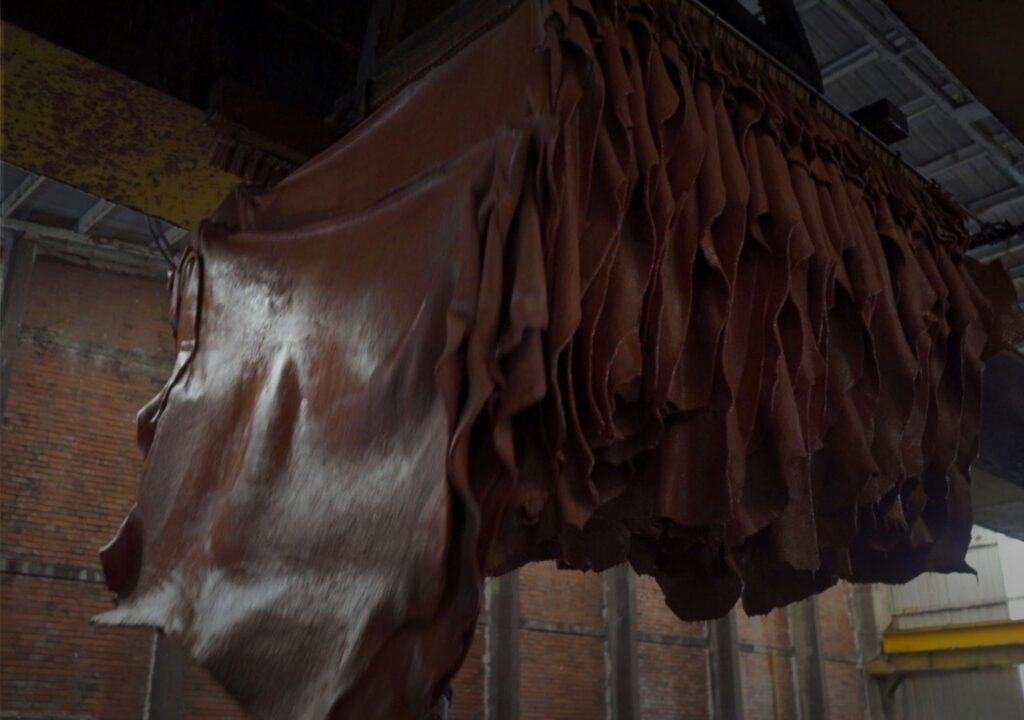
In a market where brands are looking to differentiate themselves not only through the appearance of their products, but also through quality, durability, and commitment, choosing the right materials has become a strategic decision. Leather is more than just a raw material. It becomes part of a product’s identity, experience, and story. That is why, for brands looking to build long-term value, vegetable-tanned leather represents a choice that combines tradition, durability, and a more responsible vision. More Than a Material: An Investment in Quality Unlike materials designed for short-term consumption, vegetable-tanned leather is made to stand the test of time. Its appearance evolves with use, developing a natural patina that gives every piece its own character. This means that a product made with this type of leather can change over time while maintaining its essence. Bags, footwear, accessories, belts, and leather goods can preserve their functionality while telling a story through the marks and tones developed through use. For brands, this represents an important opportunity: to offer products that are not perceived as disposable, but as pieces made to last. Durability That Creates Brand Value Today, durability is becoming an increasingly valued characteristic among consumers and businesses. A product that can remain in use for years has the potential to strengthen the relationship between a brand and its customers. Investing in quality materials can help brands: The quality of a material can become part of a brand’s promise. When a company carefully selects its raw materials, that decision is reflected in the final product and in the experience of the person who uses it. The Beauty of a Material That Evolves One of the most distinctive characteristics of vegetable-tanned leather is that it does not remain exactly the same over time. Exposure to light and everyday use can gradually change its tone and appearance. This evolution creates a natural patina that makes every piece unique. Rather than hiding the passage of time, vegetable-tanned leather can embrace it as part of its personality. Each product develops its own appearance, adding authenticity and exclusivity. For brands, this characteristic can become a powerful point of differentiation. In a world of increasingly standardized products, offering materials that evolve and develop their own identity over time creates a distinctive value proposition. Responsibility Also Means Thinking Long Term Responsibility is not only about analyzing the present. It also means thinking about how long a product can remain in use. Creating products designed to last can support a more conscious approach to consumption, where quality and functionality play a central role. For this reason, vegetable-tanned leather can be an excellent choice for brands looking to incorporate long-lasting materials into their product strategy. An investment in quality can translate into products with greater perceived value, a stronger identity, and a longer-lasting relationship with consumers. Artisan Tradition with a Contemporary Vision Vegetable tanning carries a long tradition and specialized knowledge of leather craftsmanship. However, choosing this technique does not mean staying in the past. Today, brands can combine the tradition of vegetable tanning with contemporary design, innovation, technology, and new production approaches. The result can bring together two worlds: artisanal knowledge and the needs of a modern market. This combination is especially relevant for companies looking to develop authentic, distinctive products with a meaningful story behind them. A Decision That Also Communicates Brand Values Every material choice communicates something. Design communicates creativity. Functionality communicates practicality. Quality communicates trust. And the selection of raw materials can also communicate how a brand understands responsibility. Choosing vegetable-tanned leather can be part of a strategy focused on creating durable, timeless products with their own identity. It is not only about creating a good product. It is about thinking about what kind of product we want to remain in our customers’ hands over the years. Marfil Tannery: Leather with History, Quality, and a Vision for the Future At Marfil Tannery, we understand that working with leather means combining experience, knowledge, and a vision for the future. Our 100% vegetable tanning process is focused on offering a material with unique characteristics for brands and projects that value quality, authenticity, and durability. With more than four decades of experience, we combine the tradition of craftsmanship with processes and initiatives aimed at responsible operations, including water treatment and the use of solar energy. We believe that the true value of a material is not only found in how it looks on the first day, but also in how it evolves, how it responds to use, and how it lasts over time. Because investing in vegetable-tanned leather means investing in products with character. It means choosing quality over the temporary, durability over fast consumption, and materials capable of telling their own story. For responsible brands, thinking long term begins with the choice of the right material.

Vegetable-Tanned Leather: A Long-Term Investment for Responsible Brands Read More »

Craftsmanship with a Global Vision: How We Work at Marfil

In today’s competitive market, where speed often takes priority over quality, some companies continue to prove that true excellence is built through expertise, dedication, and continuous innovation. At Marfil Tannery, we believe premium leather is the result of combining traditional craftsmanship with a global vision that meets the expectations of today’s industries. For more than four decades, we have refined a process that honors the heritage of Mexican leather craftsmanship while integrating technology, responsible practices, and international quality standards to produce premium leather that is durable, reliable, and sustainable. A Tradition Passed Down Through Generations Leather tanning is a craft with centuries of history. Every stage requires knowledge, precision, and attention to detail—qualities that technology alone cannot replace. At Marfil, this craftsmanship is at the heart of everything we do. Our team combines decades of experience with a culture of continuous improvement to ensure every hide meets the highest quality standards. Every piece of leather reflects: More than 40 years of experience allow us to transform raw materials into premium leather trusted by customers around the world. Innovation That Strengthens Tradition Being a traditional tannery does not mean standing still. At Marfil, innovation is a tool that helps preserve and enhance quality. We continuously invest in technology that improves efficiency while maintaining the craftsmanship that defines our work. Our production integrates: The combination of skilled craftsmanship and advanced technology enables us to deliver consistent, reliable, and competitive leather. The Value of Vegetable-Tanned Leather One of Marfil’s greatest strengths is our specialization in vegetable-tanned leather. This process uses natural tannins derived from plant sources to create leather with exceptional characteristics: Vegetable tanning also represents a more responsible alternative compared to processes that rely more heavily on aggressive chemicals, supporting the growing global demand for sustainable manufacturing. Environmental Responsibility as Part of Our Culture Sustainability is not simply a trend at Marfil—it is part of who we are. We continuously invest in initiatives designed to reduce our environmental impact, including: These initiatives demonstrate our commitment to responsible manufacturing and a more sustainable leather industry. Quality That Reaches Global Markets Our customers expect more than leather. They need a reliable partner capable of consistently delivering products that meet international quality standards. That is why Marfil operates with a global vision, serving customers across different industries while remaining true to the values that have guided us since the beginning: Every project is an opportunity to prove that Mexican craftsmanship can compete at the highest international level. More Than a Supplier—A Strategic Partner At Marfil, we believe the strongest business relationships are built on trust. We work closely with every customer to understand their specific needs, develop customized solutions, and deliver leather that adds value to their products. Our goal is not simply to manufacture leather—we strive to become a strategic partner that supports the long-term success of every brand we serve. Looking Toward the Future The world continues to evolve, and so do we. Marfil will continue investing in technology, strengthening our processes, and developing sustainable solutions while preserving what has defined us for more than four decades: craftsmanship, passion for quality, and commitment to our customers. Because we believe the future of premium leather is built by honoring tradition while innovating for the world. Conclusion True excellence is achieved when craftsmanship and innovation work together. At Marfil Tannery, our artisan heritage, combined with a global perspective, allows us to produce premium leather that meets the highest standards of quality, sustainability, and performance. Every piece reflects our commitment to continuous improvement, environmental responsibility, and the trust our customers place in us. This is how we continue bringing the tradition of Mexican leather craftsmanship to the global market.

Craftsmanship with a Global Vision: How We Work at Marfil Read More »

Traceability in Leather: Knowing Where What You Use Comes From

The Story Behind Every Piece of Leather In today’s market, consumers increasingly value transparency, quality, and sustainability. As a result, traceability has become a key element within the leather industry. Beyond appearance, texture, and durability, people want to understand where the materials they use come from and how they were produced. At Marfil Tannery, we believe every hide has a story. That is why we focus on processes that help ensure material origin, quality, and consistency, providing confidence to our customers and business partners. What Is Leather Traceability? Traceability refers to the ability to track a material’s journey from its source to the final product. In the leather industry, this includes information about: A robust traceability system helps verify that materials meet quality, sustainability, and ethical standards. Why Is Traceability Important? 1. Consumer Transparency Modern consumers expect brands to provide clear information about the products they purchase. Knowing where materials come from helps build trust and strengthen brand loyalty. 2. Quality Assurance Traceability enables manufacturers to monitor each production batch and maintain consistent quality throughout  3. Sustainability and Responsibilitythe supply chain. Tracking materials throughout the production process helps demonstrate responsible sourcing practices and supports sustainability goals. 4. Regulatory Compliance Many international markets now require detailed information regarding material origin and supply chain practices. Traceability helps companies meet these growing requirements. The Leather Journey: From Source to Finished Product Every piece of leather goes through several stages before becoming a finished product: Raw Material Selection The process begins with carefully selected hides sourced from trusted suppliers. Tanning and Processing Specialized tanning techniques transform hides into durable, flexible leather suitable for various applications. Finishing Processes Leather receives specific treatments to achieve desired colors, textures, appearances, and performance characteristics. Quality Control Continuous inspections ensure that every batch meets established standards and customer expectations. Delivery and Manufacturing The finished leather is supplied to manufacturers and brands that transform it into high-value products. How Traceability Benefits Brands Companies that implement traceability systems gain several advantages: Being able to demonstrate material origin has become an important differentiator in today’s competitive marketplace. Marfil Tannery’s Commitment At Marfil Tannery, we believe quality begins with understanding the origin of every material. Our commitment is to maintain responsible processes, rigorous quality controls, and efficient management practices that deliver premium leather solutions for demanding industries. Traceability is more than a control system—it is a commitment to transparency, sustainability, and trust, ensuring that every piece of leather tells a story of quality and responsibility.

Traceability in Leather: Knowing Where What You Use Comes From Read More »

Technology + Tradition: The Art of Crafting Quality Leather at Marfil

In the leather industry, excellence comes not only from experience nor solely from innovation. True quality is achieved when both work together. At Marfil, we have built our identity by combining traditional leather craftsmanship with modern technology, creating leather products that stand out for their durability, beauty, and performance. The Value of Tradition Leatherworking has a history that spans thousands of years. Many of the techniques used today are rooted in artisanal processes that have been refined through generations. At Marfil, we deeply respect this heritage. Our team understands the natural characteristics of each hide, knows how it responds to different treatments, and carefully manages every stage of production to preserve its quality. This human expertise is essential for creating authentic, durable leather with exceptional finishes. Every piece of leather has its own unique character, and recognizing those differences requires knowledge, judgment, and attention to detail—qualities that technology alone cannot replace. Technology as a Quality Partner While tradition forms the foundation of our work, technology allows us to elevate our standards even further. We use modern equipment and advanced processes to control critical factors such as: These tools help us maintain consistent quality across every production batch while meeting the demands of industries such as automotive, furniture, leather goods, and fashion. Precision Without Losing Authenticity One of our main goals is to embrace innovation without losing the natural essence of leather. Technology enables precise measurements and rigorous quality control, while our skilled specialists oversee every step of the process to ensure that each product retains the texture, appearance, and authenticity that define premium leather. This balance allows us to deliver consistent results without sacrificing the craftsmanship that makes high-quality leather unique. Innovation for a More Sustainable Future Modern technology also plays an important role in improving sustainability. Advanced systems help optimize water, energy, and raw material consumption, reducing environmental impact while improving operational efficiency. They also enable continuous monitoring and process improvements that minimize waste and maximize resource utilization. For Marfil, innovation does not mean leaving tradition behind—it means finding better ways to honor it. The Marfil Commitment At Marfil, we believe the future of leather is built by respecting its history. That is why we combine generations of craftsmanship with modern technological solutions to deliver reliable, consistent, and high-quality leather products. Every piece of leather we produce reflects this philosophy: tradition in every detail, technology in every process, and excellence in every result.

Technology + Tradition: The Art of Crafting Quality Leather at Marfil Read More »

The Difference Between Price and Value in Materials

Why choosing the right material goes beyond cost In industries such as fashion, leather goods, furniture, and design, conversations about materials often revolve around cost. However, there is a key difference that is frequently overlooked: price is not the same as value. While price represents an immediate number, value is built over time. It is connected to durability, perception, experience, sustainability, and a material’s ability to tell an authentic story. Price is paid once. Value remains. An inexpensive material may seem like a smart choice at first, but if it quickly loses its appearance, wears out easily, or feels generic, the real cost becomes much higher. On the other hand, a high-quality material maintains its character, ages beautifully, and preserves its functionality for years. In vegetable-tanned leather, value goes far beyond its natural appearance or durability. It also lies in the craftsmanship behind every piece, the careful selection of raw materials, and the authenticity it brings to the final product. Consumers no longer buy only products Today’s consumers look for brands with purpose. They want to know where materials come from, how they are made, and what they represent. In this context, the value of a material is also measured by transparency, environmental impact, and the emotional experience it creates. A product made with premium materials communicates trust, exclusivity, and commitment to quality — all of which directly influence how a brand is perceived in the market. Value is also found in the experience Materials have the power to evoke emotions. The texture of genuine leather, its aroma, the way it evolves over time, and the character it develops through use create a connection that lower-quality alternatives rarely achieve. When a brand chooses materials with true value, it not only improves the product itself but also creates a more memorable experience for its customers. Quality that outlives trends Trends constantly change, but well-crafted materials endure. Investing in quality means creating pieces that are more durable, timeless, and aligned with a more conscious vision of consumption. At Marfil Tannery, we believe true luxury is not found in disposable products, but in materials that preserve their essence over time. Conclusion Understanding the difference between price and value leads to smarter and more sustainable decisions. Because in the end, a great material is not measured only by how much it costs, but by everything it contributes: identity, durability, perception, and authenticity.

The Difference Between Price and Value in Materials Read More »

The Art of Tanning: A Tradition That Transcends Generations

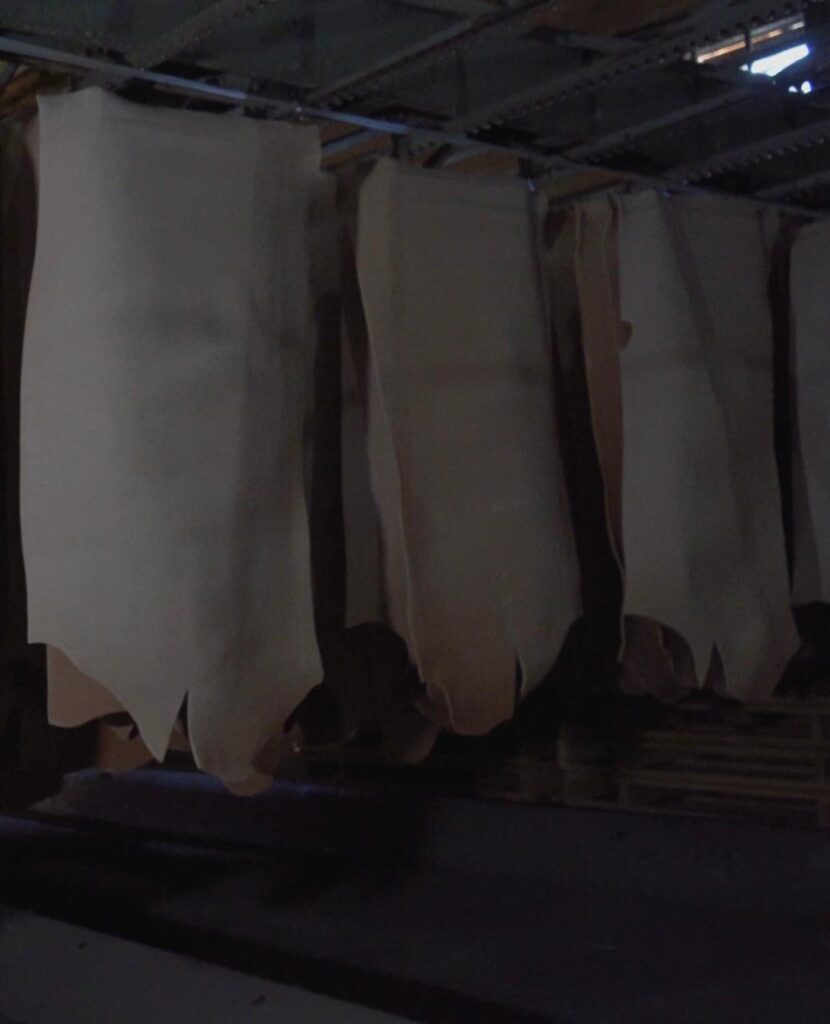
In a world where fast production dominates many industries, the art of tanning remains a symbol of patience, knowledge, and cultural heritage. Every piece of leather tells a story that begins long before it reaches the hands of the customer: it is born through processes passed down from generation to generation, where experience and respect for materials make all the difference. Tanning is not just an industrial technique; it is a craft that blends tradition, innovation, and artisanal sensitivity. For centuries, master tanners have refined methods capable of transforming hides into durable, elegant, and long-lasting materials. This knowledge has traveled through time, preserving practices that remain essential today in the creation of high-quality leather. At Marfil Tannery, we believe every hide represents a connection between the past and the future. That is why we continue to honor traditional processes such as vegetable tanning and the pila tambor system, techniques that require precision, dedication, and a deep understanding of the material. These methods not only highlight the natural beauty of leather, but also create unique textures, tones, and finishes that cannot be replicated through mass production. The tradition of tanning also speaks of identity. Behind every leather piece lies the work of skilled hands that understand how to respect the rhythm of the process to achieve exceptional results. Time, the selection of natural tannins, and careful attention to every stage are what transform leather into an authentic material full of character. Today, preserving this heritage also means evolving responsibly. The new generation of tanning seeks to balance tradition and sustainability by integrating cleaner technologies, responsible water treatment systems, and processes focused on reducing environmental impact without losing the artisanal essence that defines the industry. More than producing leather, the true art of tanning lies in creating materials that age beautifully, tell stories, and accompany people throughout time. Because when a tradition is passed on with passion and commitment, it transcends generations. Discover how sustainable leather can transform your projects. Contact us and let’s work together on materials that make a difference. Click Here

The Art of Tanning: A Tradition That Transcends Generations Read More »

Why Is Vegetable-Tanned Leather a Sustainable Alternative to Synthetic Materials?

In a world where sustainability has become a priority for both consumers and brands, the choice of materials matters more than ever. In the fashion, design, and manufacturing industries, the debate between natural leather and synthetic alternatives continues to grow. However, vegetable-tanned leather stands out as one of the most responsible and durable options available today. At Marfil Tannery, we believe sustainability is not only about reducing environmental impact, but also about creating authentic, long-lasting materials through more conscious processes. What is vegetable-tanned leather? Vegetable-tanned leather is leather processed using natural tannins extracted from plants, trees, and bark such as quebracho, mimosa, or chestnut. Unlike more aggressive industrial methods, this traditional process avoids heavy chemicals while preserving the natural essence of the hide. The result is a leather with a unique appearance, warm tones, and an exceptional ability to age beautifully over time. Why is it more sustainable? 1. It uses renewable natural resources Vegetable tanning relies on natural extracts sourced from renewable materials. This reduces dependence on petroleum-based components, which are commonly used in most synthetic alternatives. While many “vegan” materials are made with polyurethane (PU) or PVC, vegetable-tanned leather works with naturally derived components that generally have a lower environmental impact during production. 2. Greater durability means less waste One of the biggest issues with synthetic materials is their short lifespan. Many tend to crack, peel, or deteriorate quickly, leading to more waste and constant replacement. Vegetable-tanned leather, on the other hand, can last for decades with proper care. Its strength and ability to develop a rich natural patina over time make each piece more valuable and unique as years go by. Choosing durable products also means consuming less and reducing waste. 3. Biodegradability and lower environmental impact Synthetic alternatives often contain plastics that can take hundreds of years to decompose. During their use, they may also release microplastics into the environment. Vegetable-tanned leather has a far more natural and biodegradable composition, especially when processed responsibly. This helps reduce environmental impact at the end of its lifecycle. 4. More artisanal and conscious processes Vegetable tanning requires time, expertise, and traditional craftsmanship. It is a slower process, but also one that is more respectful of both the material and the environment. At Marfil Tannery, we continuously work to combine tradition and innovation through responsible practices, premium materials, and processes that respect both craftsmanship and sustainability. True luxury lies in authenticity Today, luxury is no longer defined only by appearance, but also by transparency, quality, and the impact of the materials we choose. Vegetable-tanned leather represents an authentic, durable, and conscious alternative to short-lived synthetic options. Every mark, texture, and tonal change tells a unique story that evolves over time. Because sustainability should never compromise quality — it should elevate it.

Why Is Vegetable-Tanned Leather a Sustainable Alternative to Synthetic Materials? Read More »