
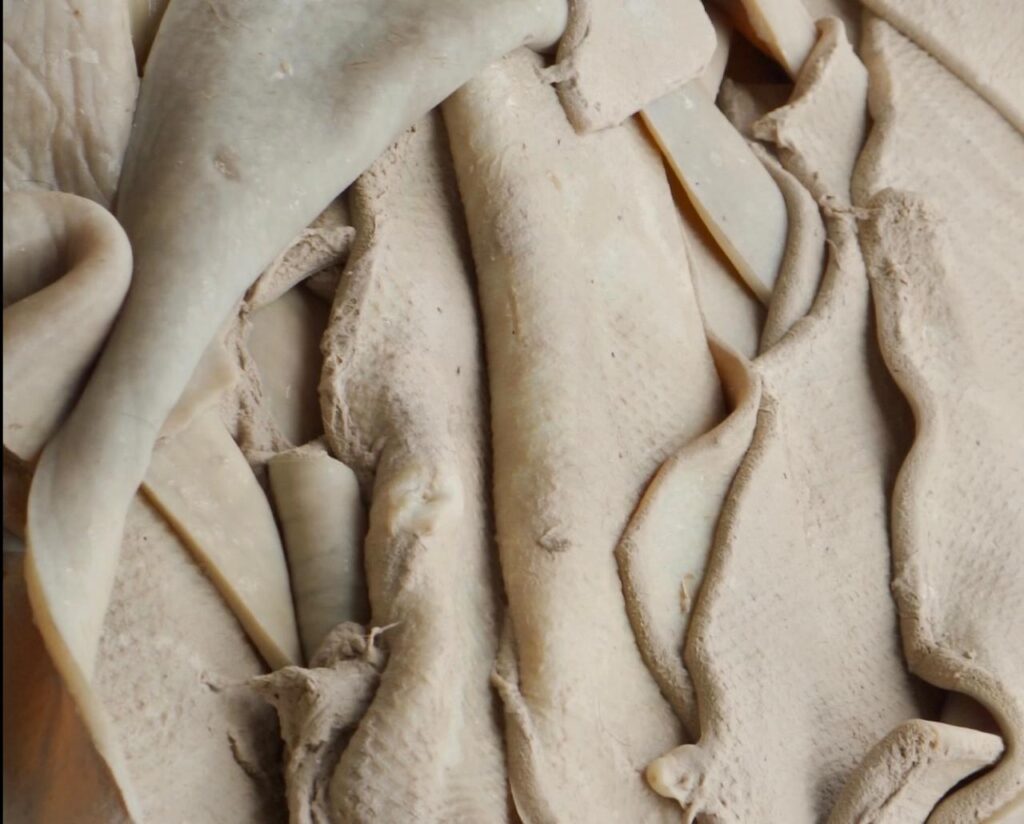
The Story Behind Every Piece of Leather
In today’s market, consumers increasingly value transparency, quality, and sustainability. As a result, traceability has become a key element within the leather industry. Beyond appearance, texture, and durability, people want to understand where the materials they use come from and how they were produced.
At Marfil Tannery, we believe every hide has a story. That is why we focus on processes that help ensure material origin, quality, and consistency, providing confidence to our customers and business partners.
What Is Leather Traceability?
Traceability refers to the ability to track a material’s journey from its source to the final product. In the leather industry, this includes information about:
- The origin of the hide.
- Tanning and processing methods.
- Finishing treatments and applications.
- Quality control procedures.
- Distribution and delivery processes.
A robust traceability system helps verify that materials meet quality, sustainability, and ethical standards.
Why Is Traceability Important?
1. Consumer Transparency
Modern consumers expect brands to provide clear information about the products they purchase. Knowing where materials come from helps build trust and strengthen brand loyalty.
2. Quality Assurance
Traceability enables manufacturers to monitor each production batch and maintain consistent quality throughout
3. Sustainability and Responsibilitythe supply chain.
Tracking materials throughout the production process helps demonstrate responsible sourcing practices and supports sustainability goals.
4. Regulatory Compliance
Many international markets now require detailed information regarding material origin and supply chain practices. Traceability helps companies meet these growing requirements.
The Leather Journey: From Source to Finished Product
Every piece of leather goes through several stages before becoming a finished product:
Raw Material Selection
The process begins with carefully selected hides sourced from trusted suppliers.
Tanning and Processing
Specialized tanning techniques transform hides into durable, flexible leather suitable for various applications.
Finishing Processes
Leather receives specific treatments to achieve desired colors, textures, appearances, and performance characteristics.
Quality Control
Continuous inspections ensure that every batch meets established standards and customer expectations.
Delivery and Manufacturing
The finished leather is supplied to manufacturers and brands that transform it into high-value products.
How Traceability Benefits Brands
Companies that implement traceability systems gain several advantages:
- Increased customer confidence.
- Better supply chain management.
- Reduced operational risks.
- Easier compliance with audits and certifications.
- Stronger brand reputation.
Being able to demonstrate material origin has become an important differentiator in today’s competitive marketplace.
Marfil Tannery’s Commitment
At Marfil Tannery, we believe quality begins with understanding the origin of every material. Our commitment is to maintain responsible processes, rigorous quality controls, and efficient management practices that deliver premium leather solutions for demanding industries.
Traceability is more than a control system—it is a commitment to transparency, sustainability, and trust, ensuring that every piece of leather tells a story of quality and responsibility.